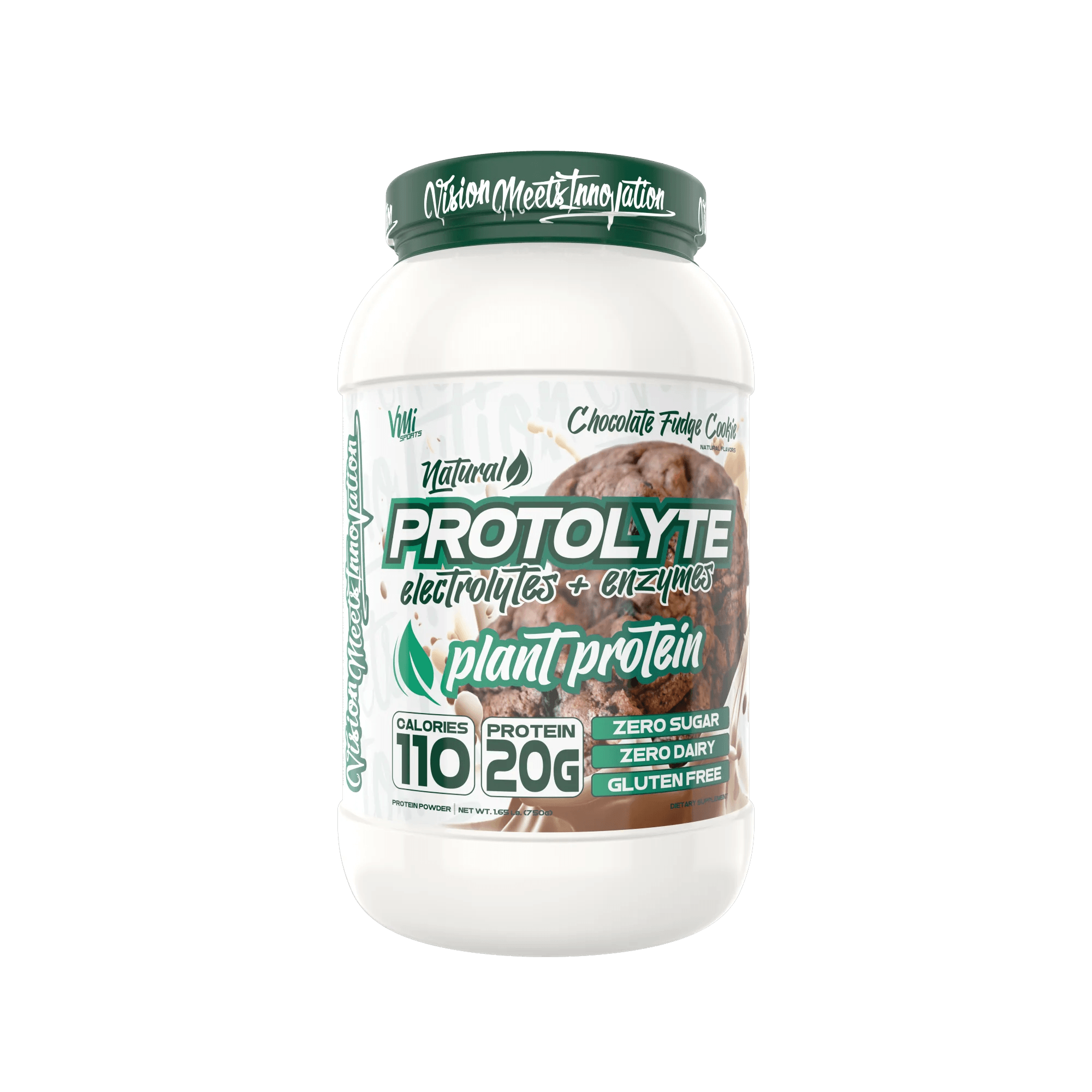
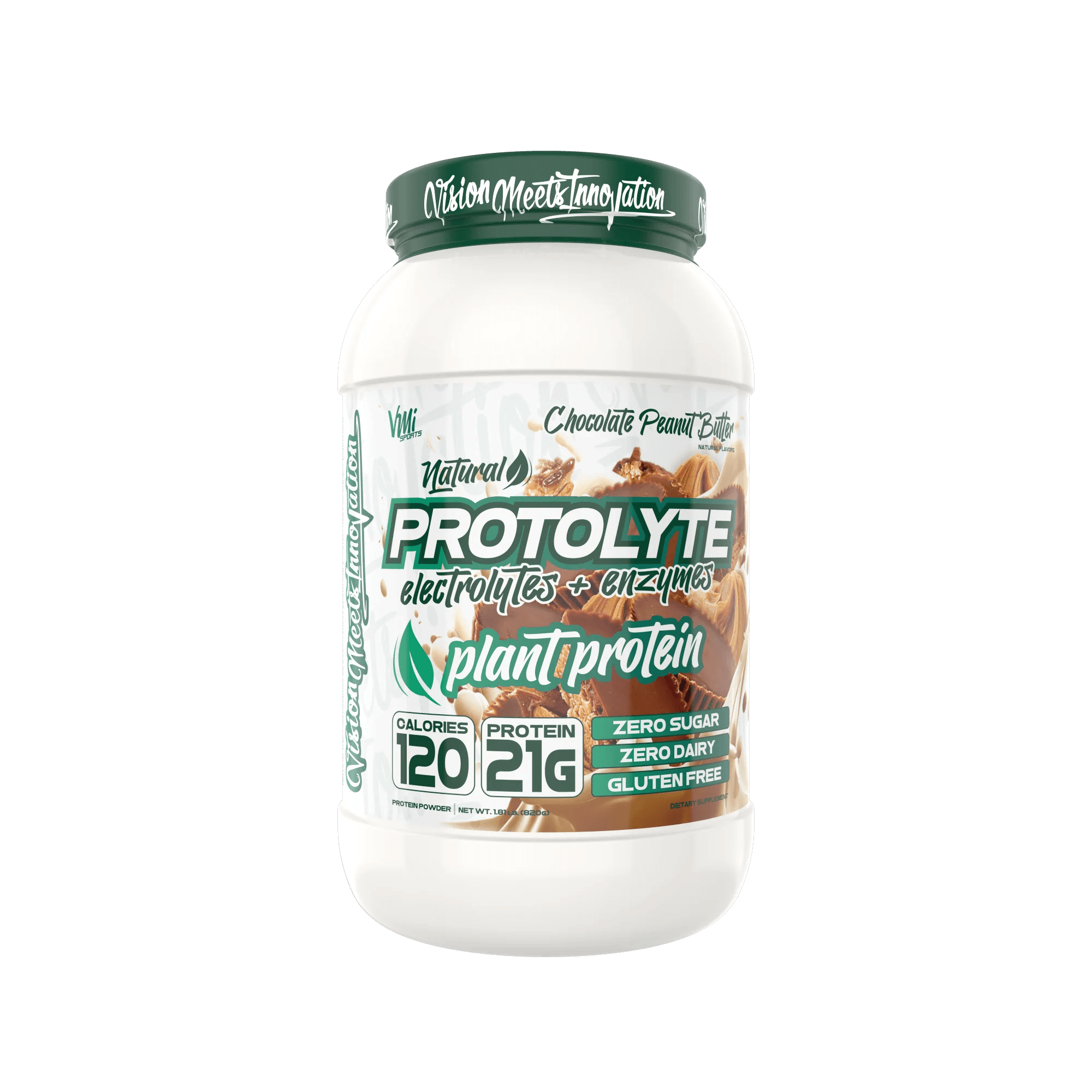
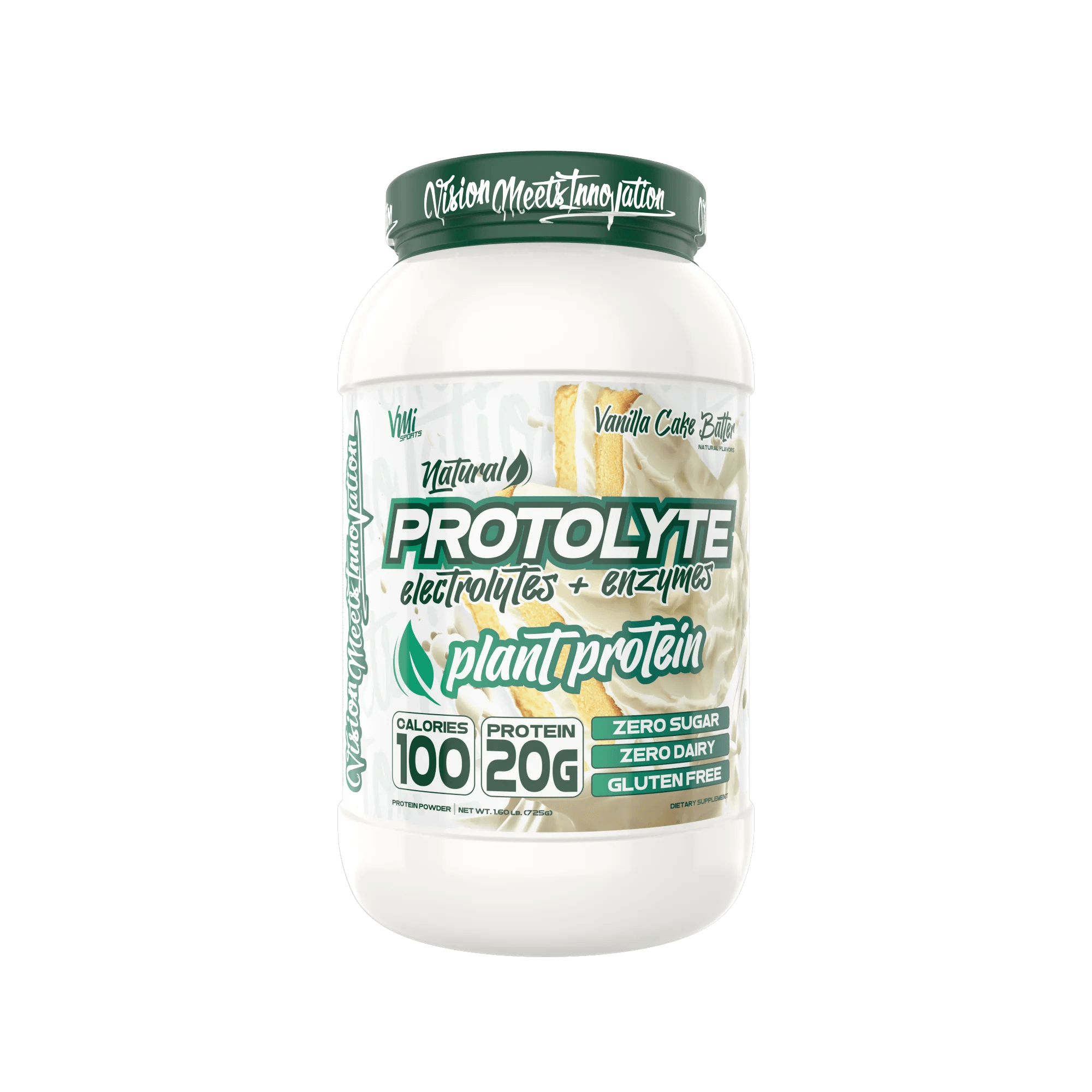
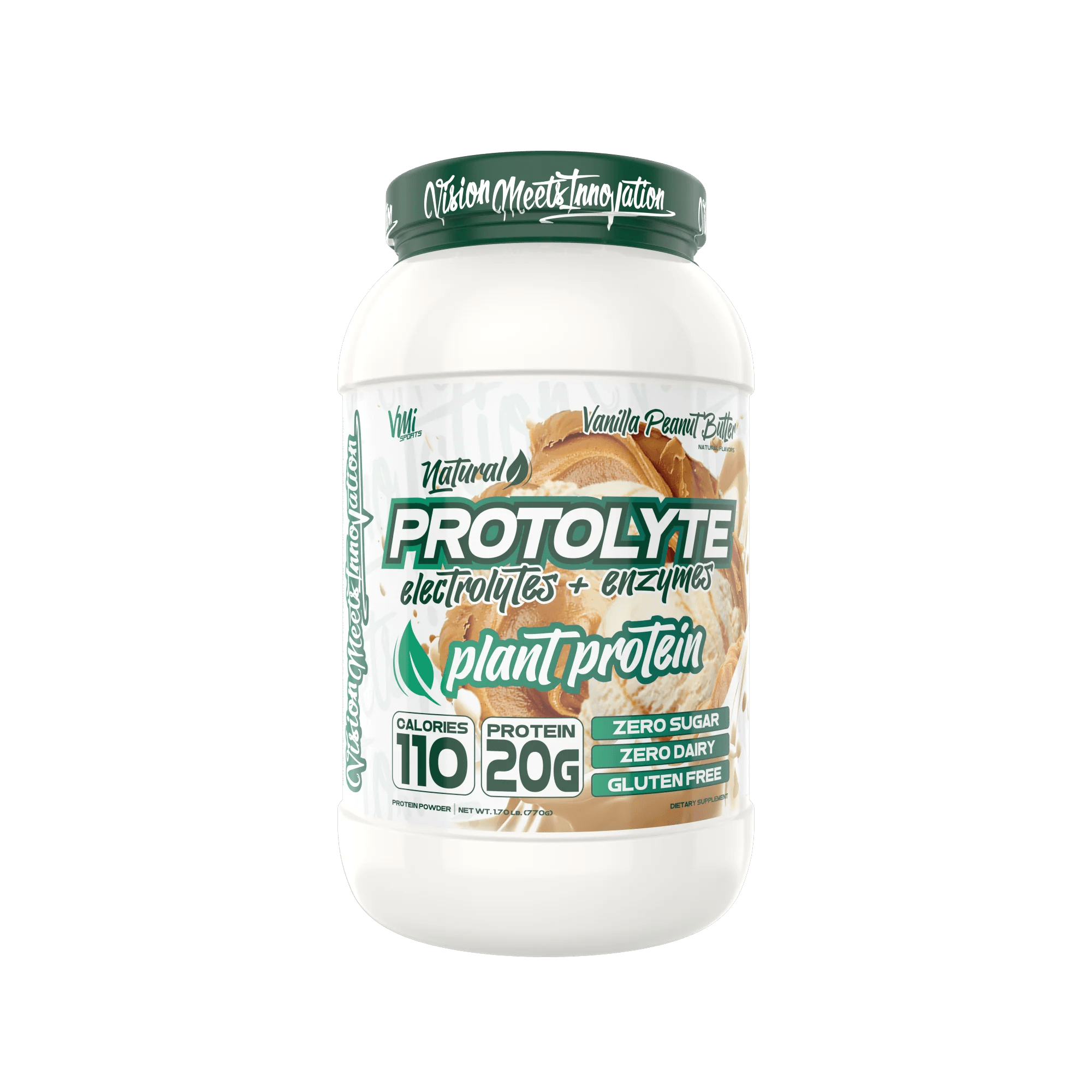
20g Plant Protein with Electrolytes and Digestive Enzymes
VMI Sports Protolyte Plant Protein isn't just another plant protein with a cool label and basic pea mix. The idea here is straightforward: give you a solid 20g serving of plant protein, then fix the main issues that make athletes ditch plant options—tough digestion, weird texture causing gut tiredness, and no real recovery extras to make your shake feel complete. VMI tackles that by adding top-grade electrolytes and a multi-enzyme setup, using premium Albion mineral forms for calcium, magnesium, and potassium.
From what we've checked on the product, Protolyte packs 20g of plant protein per scoop, with info showing a mix of pea, pumpkin seed, and watermelon seed proteins plus about 10.5g essential amino acids. That's key because blending plant proteins gives you better amino acid coverage than sticking to one type. We don't have the exact ratios or leucine amounts from the label, but the approach is solid: a multi-source plant protein made for workout recovery, not just a plain vegan powder.
On the electrolyte front, it uses calcium bisglycinate chelate and magnesium bisglycinate chelate as TRAACS® forms from Albion Minerals, plus potassium glycinate complex from Albion. That's a real quality boost. These chelated glycine-bound minerals are easier on your system and absorb better than cheap inorganic versions. In a protein shake, that means better real-use vibes: nobody wants a mineral-boosted drink that messes with their stomach. Calcium, magnesium, and potassium help with hydration, muscle and nerve function, and bouncing back after training, but since amounts aren't listed, we can't rate it as a cli
Key Highlights
- 20g plant protein per serving — a real recovery hit for athletes wanting non-dairy protein without skimping on totals. This puts it in serious sports nutrition territory, not the weak lifestyle stuff.
- Multi-source plant protein setup — product info shows pea, pumpkin seed, and watermelon seed proteins instead of one single vegan source. Blended like this, you get a wider amino acid spread than from just one type.
- Added digestive enzymes — includes Protease 1, Protease 11, amylase, lipase, and lactase to help break down protein, carbs, fats, and lactose. You get a powder that's easy to stick with, not one that feels heavy and ends up forgotten.
- Protease for better protein use — these neutral proteases cut peptide bonds, turning big proteins into smaller bits and amino acids for smoother digestion. In a protein shake, that's one of the smartest adds for real results.
- Amylase for carb breakdown — it turns starches and complex carbs into simple sugars your body absorbs fast. Super handy if your shake is part of a bigger post-workout meal, not just protein alone.
- Lipase for fat digestion — helps break triglycerides into fatty acids and bits you can use. If you're mixing this with nut butters, seeds, or fatty meals, lipase makes it more flexible and gut-friendly.
- Lactase as a smart extra — even though it's lactose-free, lactase breaks down lactose if you add milk or eat dairy nearby. That's a practical touch for everyday use, not just a filler.
- TRAACS® calcium bisglycinate chelate — Albion’s chelated tech is a step up from basic salts. It's easier to handle and often absorbs better, which is why premium recovery formulas pick it.
Who Is This For?
- Plant-based lifters building or keeping muscle who hate dense, gritty, hard-to-digest powders. 20g protein gives a solid hit, with proteases, amylase, and lipase making daily use easier on the gut.
- Athletes avoiding dairy or sensitive to whey but training hard and needing good recovery. This delivers non-dairy protein with digestive help and electrolytes, so you don't pick between performance and stomach ease.
- Folks mixing lifts, classes, and cardio who sweat out more fluids and minerals than casual gym types. Albion chelated calcium, magnesium, and potassium make this smarter for training than basic vegan mixes.
- Busy workers using shakes to bridge meals and workouts. The full enzyme setup helps with fast digestion, and plant base fits low-dairy days.
- Post-workout folks who can't stand the heavy gut from whey or thick vegan powders. This is all about easier digestion, key for actually using protein regularly.
- People dipping into plant sports nutrition wanting more than plain pea isolate. It adds hydration minerals and enzymes, so switching from whey feels like less of a drop-off.
How to Use
Take one serving when you need quick plant protein, best post-workout or between meals for athletes. If you're new to plant stuff or enzyme boosts, try half first to check how it sits, then go full. Mix with 8-14 oz cold water in a shaker for light texture and easy digestion; less water for thicker, more for thinner. Blend with ice, fruit, or oats to amp up the smoothie game. With amylase, lipase, lactase, and proteases, it pairs well with carb, fat, or dairy add-ins. No caffeine worries, so time it whenever, no cycling needed. Stack with creatine monohydrate for strength gains, since this focuses on protein use and hydration. Keep it cool and dry, seal tight after scoops to keep it fresh.
What to Expect
First 0-10 minutes: you feel if the texture and gut hit lighter than typical plant proteins — that's a big goal here. 10-30 minutes: no stim kick, but the win is comfort and no heaviness, thanks to the enzymes. In the first hour, it's a clean protein boost with hydration minerals. Days 1-7: you'll judge it on how easy it is to drink, digest, and if it swaps out the bloat from other vegan options. Weeks 2-4: the payoff is sticking with it, better protein habits, and smoother recovery. Not a wild feel-good supp — it's about upgrading your routine.
Key Ingredients
-
Calcium Bisglycinate Chelate — Amount not disclosed — Chelated calcium for hydration and recovery support
-
Magnesium Bisglycinate Chelate — Amount not disclosed — Gentle magnesium support for neuromuscular recovery
-
Potassium Glycinate Complex — Amount not disclosed — Potassium support for fluid balance and muscle function
-
Protease 1 — Amount not disclosed — Helps break protein into absorbable building blocks
-
Protease 11 — Amount not disclosed — Additional protein-digesting enzyme support built in
-
Amylase — Amount not disclosed — Supports smoother digestion of carbs with your shake
-
Lipase — Amount not disclosed — Helps digest fats in mixed recovery meals
-
Lactase — Amount not disclosed — Adds flexibility if dairy is part of your routine
Frequently Asked Questions
How much protein does VMI Sports Protolyte Plant Protein provide per serving?
Verified product research indicates Protolyte Plant Protein provides 20g of plant protein per serving. That makes it a practical post-workout or between-meal dose for users looking to support recovery and daily protein intake without dairy.
What kind of protein sources are used in Protolyte Plant Protein?
Authoritative label extraction in this dataset does not include the full protein source panel, but external product research points to a blend of pea, pumpkin seed, and watermelon seed proteins. That multi-source approach is generally stronger than relying on a single plant protein because it broadens amino acid coverage.
Does this protein contain digestive enzymes?
Yes. The verified formula includes Protease 1, Protease 11, amylase, lipase, and lactase. Together, those enzymes support the breakdown of protein, carbs, fats, and lactose, which is a smart addition for a plant protein designed for everyday use.
Why are calcium, magnesium, and potassium included in this protein?
Protolyte adds electrolyte-oriented minerals to make the formula more recovery-focused than a standard plant protein. Calcium, magnesium, and potassium all contribute to hydration balance, neuromuscular function, and post-training recovery, although the exact doses are not disclosed in the verified data.
Are the mineral forms in this product high quality?
Yes, the listed forms are a genuine quality positive. The formula uses TRAACS® calcium bisglycinate chelate, TRAACS® magnesium bisglycinate chelate, and Albion® potassium glycinate complex, all associated with Albion Minerals' chelated mineral technology and generally chosen for better tolerability than cheap inorganic salts.
Is Protolyte Plant Protein good for people who are lactose intolerant?
The product is positioned as lactose-free, and it also includes lactase. That means the protein itself is designed for non-dairy use, while the added lactase provides extra flexibility if you mix it with milk or consume it alongside dairy-containing foods.
When should I take VMI Sports Protolyte Plant Protein?
The best use cases are post-workout, between meals, or anytime you need a convenient protein feeding that is easier to digest than many traditional shakes. Because it is stim-free, it can be used any time of day, including after evening training.
Can I stack this with creatine?
Yes, and that is one of the best ways to use it. Protolyte handles protein intake, digestive support, and hydration-oriented minerals, while a standalone creatine monohydrate product adds the clinically established phosphocreatine support for strength, power, and lean mass performance.
Is this a fully transparent formula?
It is partially transparent. The support ingredients are individually named and the product does not use a proprietary blend, but the exact amounts of the enzymes and electrolytes are not disclosed in the verified formula data, which limits a complete clinical dose audit.
What makes this different from a standard vegan protein powder?
Most vegan proteins stop at protein grams and flavor system. Protolyte adds digestive enzymes plus Albion chelated electrolyte minerals, which gives it a clearer sports-recovery identity and addresses two of the biggest real-world issues with plant protein: digestibility and post-training usability.